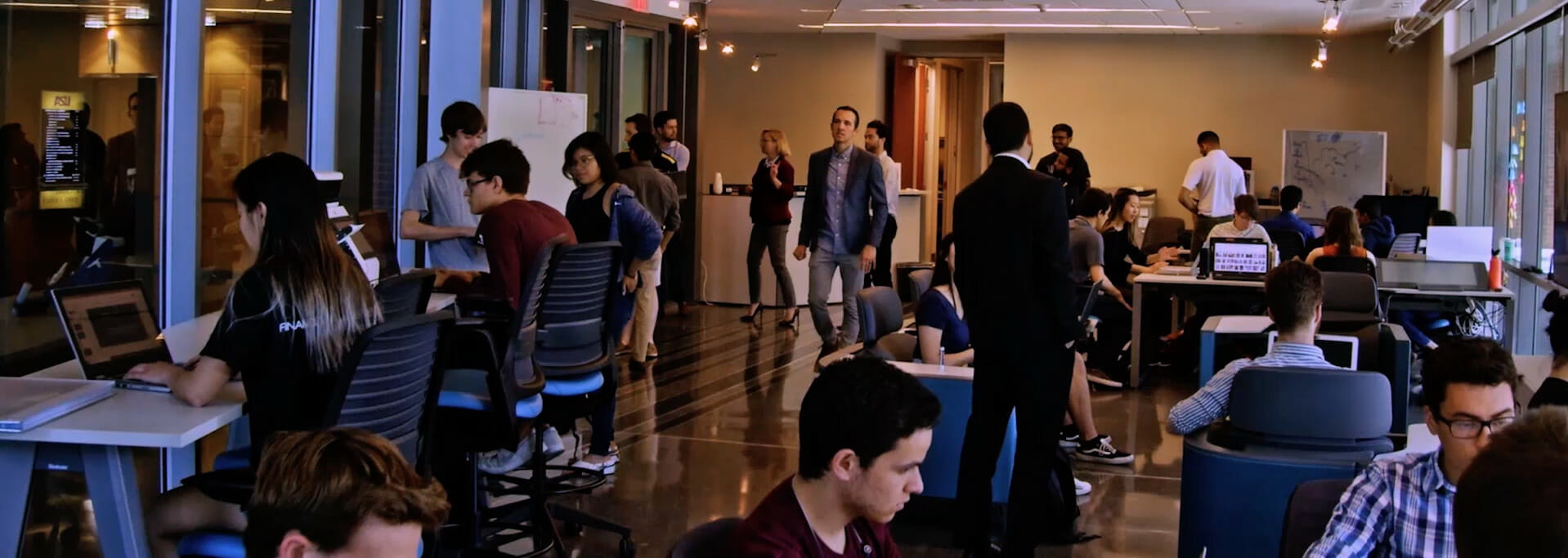
Knowledge Enterprise
Advancing research, innovation, entrepreneurship and strategic partnerships at ASU
We are changing the way the world solves problems.
Driving discovery, innovation and solutions
Knowledge Enterprise is the engine that drives discovery and innovation at Arizona State University, one of the fastest growing research institutions in the U.S. We empower researchers, forge partnerships, invest in our communities and pioneer interdisciplinary thinking. Our goal is not simply to find solutions, but to fundamentally reshape how the world solves problems.
News
Our impact
Arizona State University is a global leader in interdisciplinary research, discovery and development. Our rapid growth and top rankings demonstrate our success at delivering new knowledge and solutions that support thriving people, a thriving planet and thriving societies.
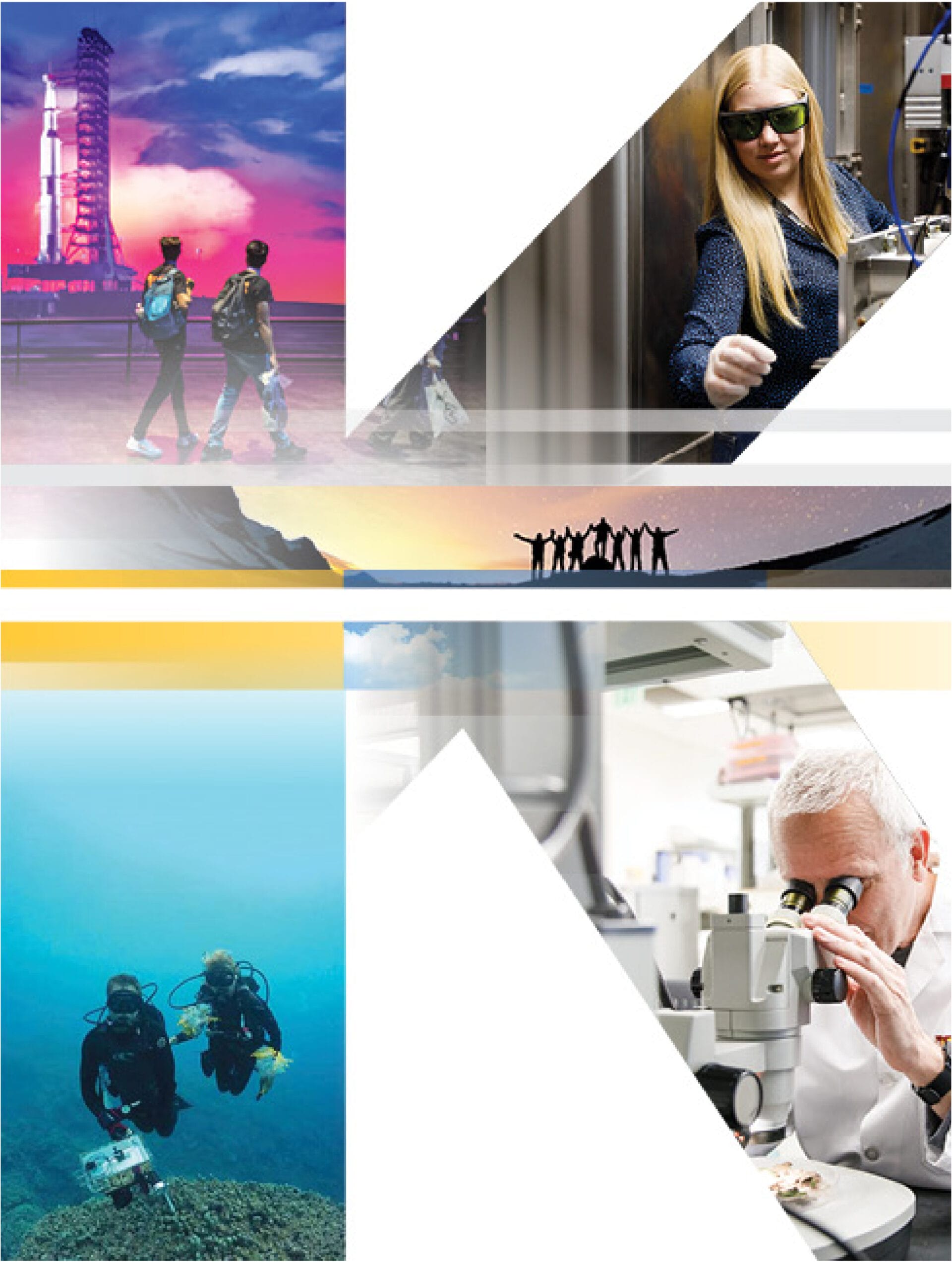
2023 year in review
ASU researchers are partnering with NASA to explore a metal-rich asteroid, establishing a testbed to advance our nations’ domestic microelectronics production, and are on the cusp of launching a new medical school to improve the health of all Arizonans.
$905.7 million
ASU has expanded its research enterprise more than sixfold in the past 20 years, reaching $905.7 million in research expenditures in FY 2023.
200+ companies
More than 200 companies have launched based on ASU innovations, attracting $1.2 billion in external funding.
#1 in innovation
For the ninth year in a row, U.S. News & World Report named ASU the most innovative school in the U.S. in its 2024 college rankings, ahead of MIT and Stanford.
Spotlight: Sustainability

The role of the university in changing the world
We know people can change the world in monumental ways, but how do we change the world with purpose, in a positive way, for ourselves and future generations? ASU leaders talk about what we need to do differently and the role universities should play.
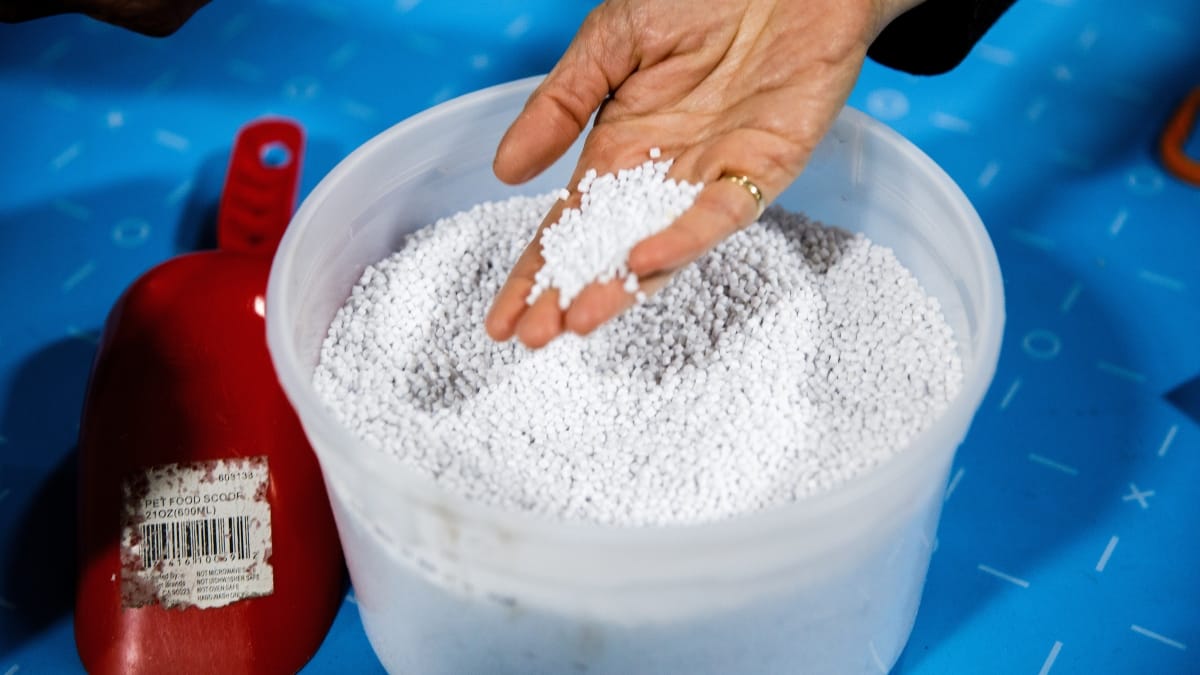
First-of-its-kind plastics recycling microfactory launches
A new plastics recycling and remanufacturing “microfactory” will convert waste materials into new products, provide skilled job opportunities and create a cooperative business model in Phoenix.

A win for the environment and the economy in the Southwest
ASU will lead a multi-institutional enterprise to confront the climate challenges facing the desert Southwest and spur economic development in the region.
Explore our resources
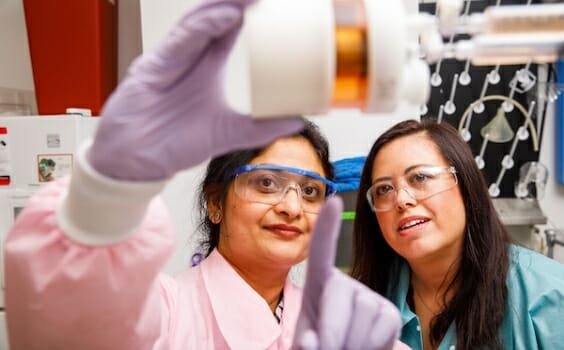
Accelerate your research
Whether you need help finding funding opportunities, crafting a proposal or commercializing your discoveries — ASU supports researchers through the entire research cycle.

Partner with us
We can accomplish more together. Find out how you can create customized partnerships with ASU that help your organization thrive.
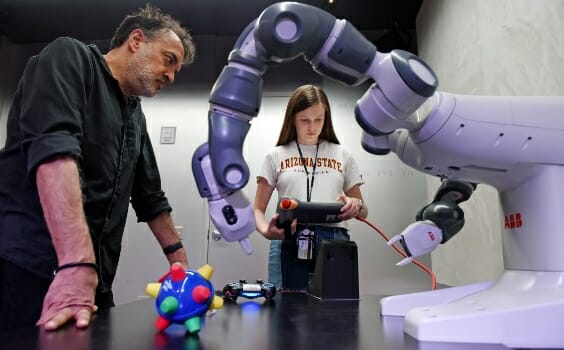
Gain career experience
Students are vital to our ecosystem of research, entrepreneurship and innovation. Find opportunities to apply your coursework to hands-on projects and real-world challenges.
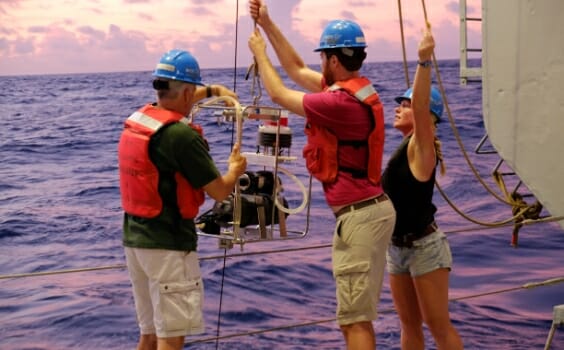
Support discovery
Philanthropy plays an important role in creating knowledge, pioneering discovery and catalyzing innovation. Learn how your gift can advance our work.

Be a part of ASU Knowledge Enterprise
Advance your career while making a difference. Knowledge Enterprise employees support research and innovation that benefits our communities and our world. And they enjoy generous and broad benefits including health and life insurance, retirement, tuition reduction and much more.